Private Acting Coach London: When One-to-One Coaching Is Worth It and How to Choose Well
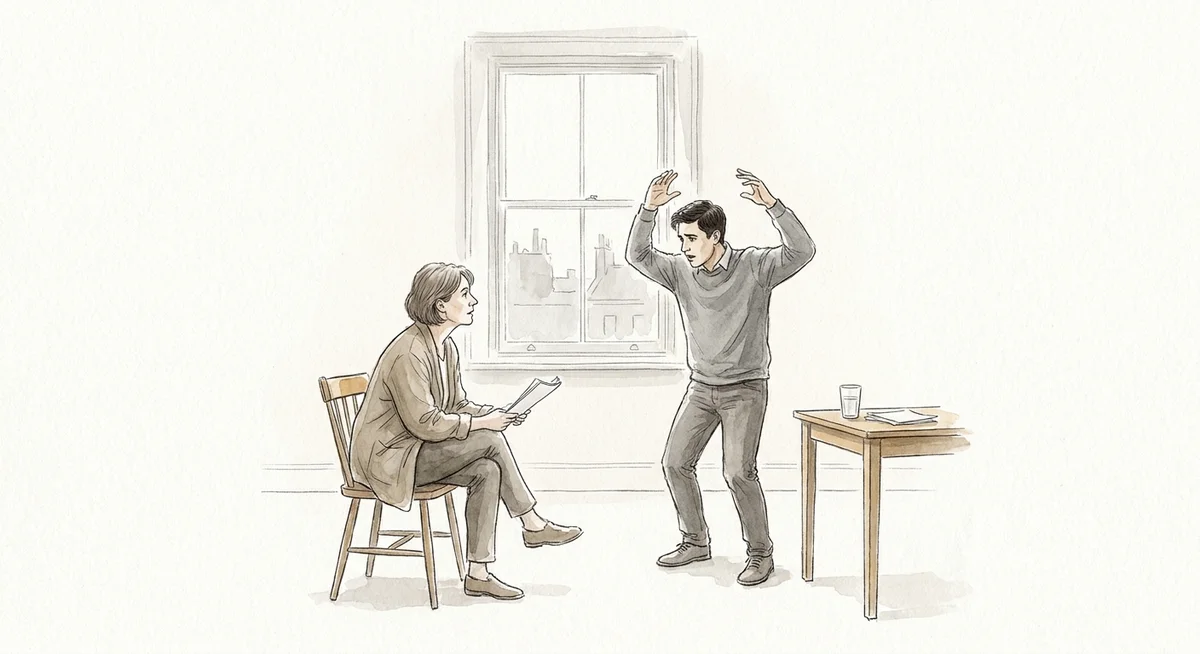
Whether you're preparing for a drama school audition, polishing a self-tape, or wanting focused attention on a skill that's been holding you back, working with a private acting coach in London can be a genuinely useful investment. But it's not always the right move, and it's not always easy to tell who's worth your time and money.
This guide is here to help you think clearly about when one-to-one coaching makes sense, how it differs from group classes, what fair pricing looks like in London right now, and what questions to ask before you book.
When Is Private Coaching Actually Worth It?
Private acting coaching works best when you have a specific, time-sensitive goal. It's less about long-term technique building (group classes tend to be better for that) and more about targeted work that's hard to get in a room full of other actors.
The most common scenarios where a private coach really helps:
- Audition preparation. Working through a monologue, commercial script, or recall material with someone who can give you honest, detailed feedback.
- Self-tape sessions. Coaching on performance, eyeline, and blocking, often combined with professional recording and editing.
- Drama school applications. Choosing monologues, practising interview technique, building a strategy for multiple rounds.
- Role preparation. Dialect work, movement, or on-set technique for a job you've landed.
- Staying sharp between jobs. Addressing nerves, working on accents, keeping your instrument in shape.
If your goal is broader, say exploring a new technique or building a regular practice, a group class or workshop might serve you better and cost less. For more on weighing up those options, have a look at our guide on how to choose the right acting coach for your career goals.
How Private Coaching Differs from Classes and Workshops
One-to-one coaching is not a replacement for training. It's a complement to it. Worth being clear about that upfront.
Personalisation and pace
In a private session, everything revolves around you. The coach can spend forty minutes on the first two lines of a speech, or run a full scene six times with different choices. In a class, the tutor has to balance attention across the room.
Outcome focus vs. process
Group acting lessons in London are typically designed for ongoing development. You learn from watching others, get peer feedback, build community. Private coaching tends to be outcome-focused: get this audition tape right, nail this recall, prepare these two monologues by Friday.
What you miss without a group
Private coaching can't easily replicate the ensemble dynamic. Scene work with other actors, improvisation, performing in front of a small audience: these are easier to get in a class. If you're early in your training, regular group work is usually more important than one-to-one sessions. Our guide to acting schools for adults covers how to find the right class or course for your stage.
Self-Tapes: A Common Reason to Seek Coaching
Self-taping has become the industry standard for first-round auditions. If you're auditioning regularly, you'll likely be submitting tapes every week, sometimes with just a day's notice. (A "self-tape" is simply a recorded audition you film yourself and send digitally to the casting team.)
Self-taping has opened up access. You no longer need to travel across London for every first round. But it's also introduced new pressures: decent lighting, a clean background, a reliable reader, enough technical know-how to produce a clean recording. As The Guardian reported, the rise of self-taping has placed real financial and time burdens on actors, particularly those without access to professional equipment.
This is one of the clearest use cases for a private acting coach in London. Many coaches now offer combined coaching and recording sessions, acting as both director and reader while handling the technical side. Some work from professional studios with proper lighting and editing facilities.
For a deeper look at the process, including how to set up at home, see our complete guide to self-tape auditions.
What a typical self-tape coaching session includes
Sessions vary, but you can generally expect:
- A discussion of the brief, the character, and your initial instincts
- Working through the scene with the coach as reader, trying different choices, adjusting pace and tone
- Technical direction on eyeline (where you look in relation to the camera), framing, and movement
- Recording multiple takes, often with the coach editing and sending the final file
Spotlight's self-tape guide is also helpful for understanding what casting directors expect.
Drama School Auditions: Focused Preparation
If you're applying to drama schools, a private acting coach can help you approach the process strategically. That might mean choosing monologues that suit your strengths and meet each school's requirements, rehearsing those pieces with detailed feedback, practising recall exercises and interview technique, or simply managing nerves and building stamina for a long audition day.
Some coaches specialise in drama school preparation and track their students' outcomes carefully. It's reasonable to ask about recall and offer rates, but be cautious of anyone guaranteeing results. No coach can promise you a place. The process involves too many variables. What they can do is help you arrive well-prepared and confident.
Pricing and Value: What to Expect in London
Private coaching in London isn't cheap, but prices are more accessible than many people assume. A rough guide based on current rates:
- Hourly coaching sessions typically range from £50 to £75.
- Combined coaching and self-tape sessions (usually two hours, including recording and editing) often cost around £130.
- Intensive day sessions, for example full-day role preparation or on-set support, can run to approximately £450.
These figures come from providers like SouthSide Self Tapes and Mr Selftape, both well-known London-based services.
What signals good value?
Price alone doesn't tell you much. When evaluating coaches, look at:
- Transparent pricing. Fees, session lengths, and what's included should be clearly stated upfront.
- Relevant industry credits. Coaching experience matters, but so does the coach's understanding of the current industry. Have they worked professionally as an actor, director, or casting associate?
- Clear cancellation policies. A sign of professionalism.
- Professional equipment (for self-tape sessions). Good lighting, sound, and a clean backdrop make a real difference to the final product.
- Testimonials or case studies. Not as proof of guaranteed outcomes, but as evidence the coach has worked with actors at your level.
Be wary of anyone charging well below market rate with no explanation, or well above it with only vague claims about their "method." The best coaches tend to be straightforward about what they offer and honest about what falls outside their expertise.
Finding the Right Fit
The right private acting coach for your friend might not be the right one for you. That's fine. Coaching is a relationship, even a short one.
A few things to think about: approach and style (some coaches are warm and collaborative, others more direct and challenging); specialisms (if you need dialect coaching, make sure they have specific training in it; if you're preparing for screen work, look for on-set experience); communication before you book (do they ask about your goals, or just offer a generic session?). And trust your gut. If something feels off in an initial conversation, pay attention to that.
Many coaches offer a short introductory call before you commit. Take advantage of it.
Safeguarding and Professionalism
This matters more than many actors realise.
- DBS checks are essential if the coach works with anyone under 18 or with vulnerable adults. A reputable coach won't mind you asking.
- Public liability insurance is standard for any professional offering one-to-one sessions, especially in a studio space.
- Clear safeguarding policies are particularly important for younger actors or those new to the industry.
- Professional boundaries should be non-negotiable. Sessions should take place in appropriate settings with clear terms. Be cautious of anyone vague about logistics or resistant to putting things in writing.
Any coach worth working with will welcome these questions rather than deflect them.
Questions to Ask Before You Book
Before committing, here's a practical checklist:
- What's your coaching background and industry experience? Look for specific credits and training rather than vague claims.
- What's included in the fee? For self-tape sessions especially, clarify whether reading, recording, and editing are all covered.
- How do you structure a session? This tells you whether they'll tailor the work to your needs or follow a fixed format.
- Do you have a cancellation policy?
- Do you have insurance and, if relevant, a DBS check? A professional coach will answer without hesitation.
- Can you share testimonials or examples of who you've worked with?
- What happens if we're not a good fit? A thoughtful answer here tells you a lot.
Making the Most of Your Session
Once you've booked, a little preparation goes a long way.
Be clear about your goal. Tell the coach exactly what you're working towards, whether it's a specific audition or preparation for drama school. Do your homework. If you're working on a script, read the full piece beforehand, not just your scenes. If you're preparing monologues, have them learned well enough that you're not fighting the words. Be open to direction. Try the coach's suggestions fully before deciding whether they work for you. And take notes afterwards, even just a few bullet points, so you retain what you've worked on.
No single session will transform everything. But when private coaching is well-timed and approached with clear intentions, working one-to-one with the right person can give you exactly the focused support you need, whether that's landing a recall, nailing a self-tape, or simply feeling more prepared. The best acting coaches in London will be honest with you about what's realistic. Trust that honesty.