What to Expect from Your First Acting Lesson
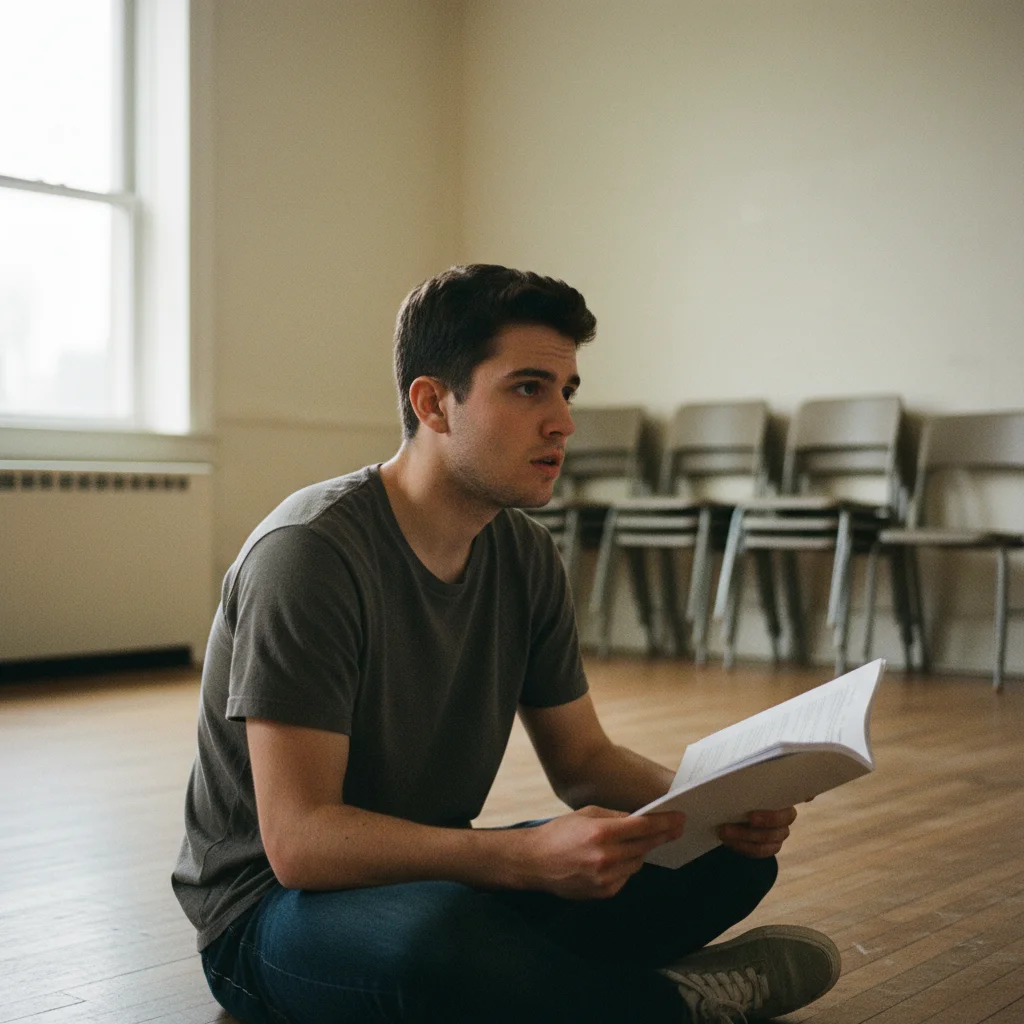
Walking into your first acting lesson can feel equal parts exciting and terrifying. Whether you're an aspiring performer, a professional looking to sharpen presentation skills, or a parent accompanying a child to their first session, knowing what lies ahead can transform nervous anticipation into productive preparation.
Here's an honest look at what typically happens in a first acting lesson—and how to make the most of it.
The Initial Conversation
Most acting coaches begin with a conversation rather than throwing you straight into performance. This initial assessment serves a crucial purpose: understanding your goals, experience level, and what drew you to acting in the first place.
Expect questions about your background, any previous experience (even school plays count), and what you hope to achieve. A good coach will also ask about any specific challenges you face—perhaps camera shyness, difficulty with accents, or trouble accessing emotions on cue. This information shapes how they'll approach your training.
Many coaches build an additional 15 minutes into first sessions specifically for this orientation. Don't rush through it. The clearer you are about your goals, the more tailored and effective your training becomes.
Warm-Up Exercises
Acting is physical work, even when you're sitting still. Your first lesson will likely include some form of warm-up—vocal exercises to loosen your voice, physical movements to release tension, or breathing techniques to help you stay grounded.
These exercises might feel awkward at first. You may find yourself making strange sounds, stretching in ways you haven't since childhood, or simply standing and breathing while trying not to overthink everything. This is entirely normal. The purpose is to get you out of your head and into your body, ready to respond truthfully in the moment.
Foundation Work
Don't expect to perform Shakespeare on day one. Initial sessions focus on elementary techniques that form the bedrock of good acting. You might work on:
- Presence and focus – learning to truly be in the moment rather than planning your next move
- Listening – one of the most underrated acting skills, and something most beginners struggle with
- Simple text work – understanding how to break down a script, identify objectives, and make choices
- Basic exercises – improvisation games, repetition exercises, or simple scene work
These fundamentals might seem simple, but they teach profound lessons about truthfulness and connection. Acting isn't about pretending—it's about believing. The sooner you understand this distinction, the faster you'll progress.
Your First Performance Moment
At some point during your first lesson, you'll likely perform something. This might be a short monologue, a simple improvisation, or reading a scene aloud. For many beginners, this is the most nerve-wracking part.
Here's what experienced coaches know: your first attempt doesn't need to be good. It needs to be honest. They're watching how you approach the work, where your natural instincts lie, and what habits might need adjusting. The performance itself is diagnostic rather than evaluative.
If you're working with a private coach rather than in a group class, you'll receive immediate, personalised feedback. This is one of the key advantages of one-to-one coaching—everything is tailored specifically to you, with no waiting for your turn while others perform.
Feedback and Direction
Constructive criticism is woven into every acting lesson. If you're not comfortable receiving feedback, acting training will be challenging—but also transformative. Good coaches deliver notes with care, focusing on specific adjustments rather than general criticism.
You'll likely hear things like "try that again, but this time focus on what you want from the other person" or "you're indicating the emotion—let's find a way to actually feel it." These redirections aren't criticism of you as a person; they're tools for growth.
The best approach is to listen without defending, try the adjustment immediately, and ask questions if something isn't clear. Coaches appreciate students who engage actively with feedback rather than simply nodding along.
What to Bring and Wear
Practical preparation matters. Wear comfortable clothing that allows movement—trousers are generally better than dresses or skirts for floor work and physical exercises. Avoid heavy perfumes or fragrances, as you'll be working in close proximity to your coach and potentially other students.
Bring a water bottle, a notebook and pen for jotting down insights, and an open mind. If your coach has assigned any preparation—perhaps reading a monologue or watching a particular performance—complete it thoroughly. Coaches can always tell when students haven't done the work.
Managing Expectations
One lesson won't transform you into a professional actor. What it will do is reveal whether this coach's approach suits you, identify areas for development, and give you concrete techniques to practise.
Don't aim for perfection. Aim for truthfulness and connection. If a moment calls for emotion, don't try to manufacture the feeling—focus instead on what your character needs and what obstacles stand in their way. Genuine emotion emerges from genuine engagement with the circumstances, not from pushing yourself to feel something on demand.
You'll probably feel vulnerable. You might look a bit silly during some exercises. Everyone does. The sooner you accept this and stop worrying about appearing cool or polished, the better an actor you'll become.
After the Lesson
A good first lesson ends with clarity about next steps. Your coach should outline what you'll work on in future sessions, any exercises or material to prepare, and how your training will progress. Don't hesitate to ask questions about the process—understanding the journey helps you commit to it.
Take a few minutes after the session to note down key insights while they're fresh. What clicked for you? What felt challenging? What do you want to explore further? These reflections help you arrive at your second lesson with purpose and direction.
Taking the First Step
The hardest part of any acting journey is simply showing up for that first lesson. Everything after becomes easier because you've already done the scariest thing—you've begun.
Whether you're preparing for drama school auditions, working on self-tape technique, building confidence for presentations, or simply exploring a long-held interest, a skilled acting coach provides the structured guidance and honest feedback that self-study simply cannot match. The right coach becomes a partner in your development, helping you discover abilities you might never have found on your own.
Your first lesson is just the beginning. What matters is that you take it.